
 Australia
 Bangladesh
 Belgium
 Canada
 France
 Germany
 India
India
 Ireland
 Italy
Italy
 Luxembourg
 Malaysia
 Netherlands
 New Zealand
 Nigeria
 Pakistan
 Philippines
 Singapore
 South Africa
 Sweden
 Switzerland
 United Kingdom


Ace the Interview: Mastering Soft Skills and Transferable Abilities
Hiring today is no longer just about technical expertise. While hard skills like coding, data analysis, or financial modelling remain important, recruiters and hiring managers know that they only tell part of the story. What truly sets a candidate apart are their soft skills (how they communicate, collaborate, and adapt) and their transferable skills(strengths that apply across jobs and industries).
These qualities often make the difference between someone who can simply perform tasks and someone who can grow, lead, and contribute meaningfully in the long run. The challenge, however, is that soft skills rarely show up clearly on a resume. That’s why interviews are such a critical stage in the hiring process; they allow you to look beyond qualifications and uncover the behaviours, attitudes, and traits that drive real success.
Unlocking Soft Skills in Interviews
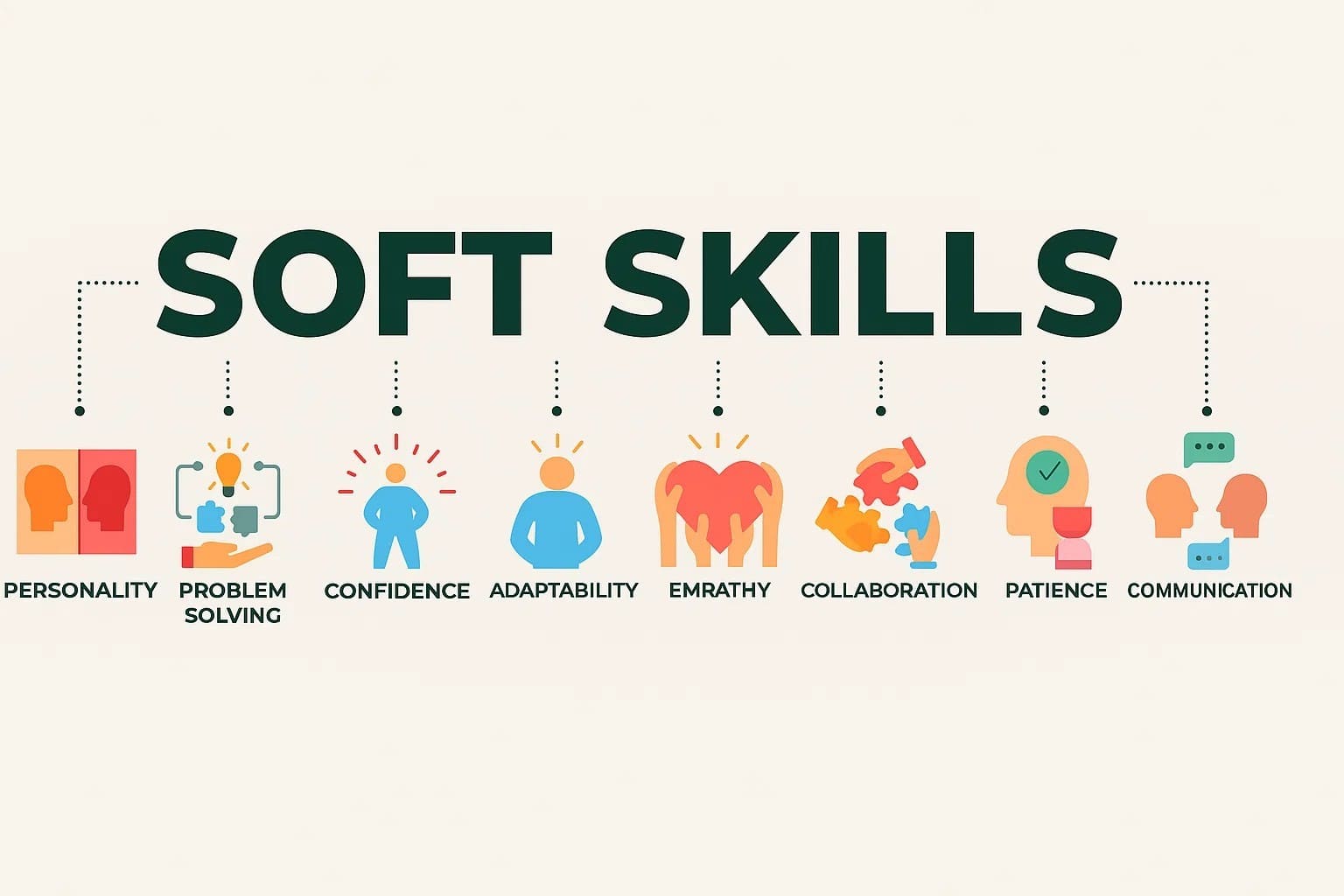
Soft skills define how people interact, solve problems, and fit into a team. They influence workplace culture, productivity, and even how organizations adapt to change. Let’s explore some of the most valuable soft skills and how recruiters can identify them during interviews.
Personality
A candidate’s personality shapes how they approach challenges, collaborate with others, and contribute to team dynamics. It’s not about labelling people as “introverts” or “extroverts” but understanding whether their natural style fits the team and role. Asking open-ended questions like, “How would your colleagues describe you?” often reveals authenticity and self-awareness.
Problem Solving
Every role involves challenges, and problem-solving shows how candidates approach them. The best answers demonstrate creativity, resourcefulness, and structured thinking. For instance, “Tell me about a time you solved a problem with limited resources” helps uncover not only their solution but also their decision-making process.
Confidence
Confidence doesn’t mean arrogance; it means expressing ideas clearly, standing by decisions, and inspiring trust. Observing a candidate’s body language, tone, and clarity during interviews can reveal whether they communicate with self-assurance. A confident candidate often leaves a strong impression without overselling themselves.
Adaptability
In today’s fast-changing work environment, adaptability is non-negotiable. Candidates who embrace change rather than resist it are more likely to thrive. Asking, “Describe a time you had to adjust quickly to a big change at work”, helps you assess their flexibility, resilience, and learning mindset.
Empathy
Empathy is the foundation of collaboration and leadership. It allows people to understand others’ perspectives, resolve conflicts effectively, and build trust. An interview question like, “Can you share a time you supported a teammate through a challenge?” often reveals emotional intelligence and interpersonal awareness.
Collaboration
No role exists in isolation, and teamwork is often where results happen. Collaboration involves not just contributing but also listening, compromising, and celebrating team success. Asking candidates about a project where teamwork was critical gives insight into how they function as part of a group.
Patience
Patience might seem like a small quality, but it plays a big role in managing stress, working on long-term projects, or dealing with conflicts. Candidates who can stay composed under pressure are often better at sustaining results. A good question to ask is, “Tell me about a time when things didn’t go as planned, how did you keep yourself focused?”
Communication
Strong communication is the backbone of almost every role. It’s not just about speaking well; it’s about listening, understanding, and tailoring messages for different audiences. Asking, “Describe a time when you had to simplify complex information for others”, can uncover clarity of thought and audience awareness.
Spotting Transferable Skills
Transferable skills are abilities that apply across industries and job functions. They help candidates succeed even if they’re moving into a new role or field. Recognizing these skills ensures you don’t miss out on high-potential talent just because their career path looks different on paper.
One way to identify transferable skills is by focusing on actions and results rather than just job titles. For example, a candidate who managed customer complaints in a retail job may already have strong conflict resolution, communication, and problem-solving abilities that are valuable in many other roles.
Another method is encouraging candidates to connect past experiences to the present opportunity. A simple question like, “How do you see your background in customer service helping you in this role?” often sparks a conversation that highlights skills like relationship management, empathy, and multitasking.
Recruiters should also look for patterns across different roles, whether a candidate consistently shows initiative, leadership, or adaptability. These recurring qualities suggest strengths that will likely carry into future positions.
Finally, stories of learning new skills, handling sudden change, or stepping up in difficult situations reveal growth potential. Candidates who demonstrate curiosity and resilience are often the ones who succeed in dynamic workplaces.
Bringing It All Together
To get a complete picture of a candidate:
• Define priorities upfront. Align with hiring managers on which soft and transferable skills matter most for the role.
• Be consistent. Ask similar questions across interviews so you can fairly compare candidates.
• Pay attention to details. Note both what the candidate says and how they say it, tone, confidence, and clarity often speak louder than words.
• Collaborate with hiring managers. Encourage them to value not just technical expertise but also the interpersonal skills that drive long-term success.
Final Takeaway
Hard skills may get candidates in the door, but it’s their soft skills like personality, problem-solving, confidence, adaptability, empathy, collaboration, patience, and communication along with their transferable abilities, that determine how far they’ll go.
By asking thoughtful questions, observing carefully, and making connections between past experiences and current roles, recruiters can identify candidates who don’t just fit the job but have the potential to grow with it. In the end, it’s these well-rounded individuals who help organizations adapt, innovate, and thrive.