
 Australia
 Bangladesh
 Belgium
 Canada
 France
 Germany
 India
India
 Ireland
 Italy
Italy
 Luxembourg
 Malaysia
 Netherlands
 New Zealand
 Nigeria
 Pakistan
 Philippines
 Singapore
 South Africa
 Sweden
 Switzerland
 United Kingdom


The Career Game Plan: Strategic Steps to Long-Term Success
Most job seekers jump from opportunity to opportunity without a clear direction. While the urgency to land a role is understandable, a lack of long term planning can lead to misaligned choices, burnout, and missed growth opportunities. A well crafted Career Development Plan (CDP) gives you the clarity, control, and confidence to navigate your professional life with purpose. Violetis® already empowers job seekers with smart tools from building standout resumes to discovering tailored job opportunities. But even with these features, the most impactful journeys begin with a clear roadmap. This blog explores how to design one and how Violetis® can support you along the way.
What Is a Career Development Plan?
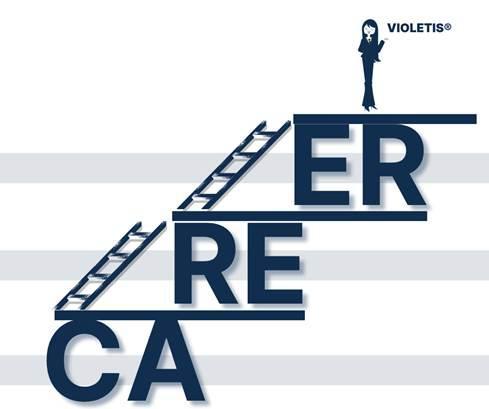
A Career Development Plan (CDP) is more than just a document, it’s a strategic framework that helps you align your professional ambitions with your day to day actions. At its core, a CDP answers three essential questions:
Where am I right now in my career journey?
Where do I want to go in the future?
What specific steps do I need to take to get there?
It acts as a personalized roadmap that blends goal setting and long-term planning. This roadmap is not static, it evolves with your skills, interests, and industry trends. Unlike a Professional Development Plan, which usually focuses on immediate or short-term skills (like learning a new software or preparing for an upcoming role), a Career Development Plan is broader in scope. It focuses on big picture questions like, What is the direction of my career? What motivates me? What kind of impact do I want to make? It connects your short-term tasks to a larger career vision. The process begins with self-awareness understanding your strengths, weaknesses, passions, and values. From there, it changes into research and exploration: identifying roles or industries that resonate with your goals. Finally, it moves into strategy development, where you create a clear action plan to acquire the skills, experiences, and relationships needed to reach your goals. Violetis® supports this long view approach. For instance, through its AI powered CV Builder, you can create resumes that reflect not just where you’ve been, but where you want to go. It enables you to showcase your achievements, certifications, and evolving strengths in ways that align with your future aspirations turning your profile into a forward looking career narrative, not just a historical record.
In essence, while your Career Development Plan exists outside the platform, Violetis® provides many of the foundational tools to help you act on it. It becomes the engine that powers your roadmap whether you’re preparing to pivot, aiming to move up, or just beginning to define your path. .
How to Build a Career Development Plan
Creating a CDP doesn't require expensive tools or formal templates. It requires inspection, research, and steady progress. Here's how to start.
1. Start with a Self Assessment
The first step is inward. Before you decide where you’re going, you need clarity on where you are.
Ask yourself:
- What skills do I enjoy using most?
- Which projects have made me feel energized or proud?
- When do I feel drained or disengaged?
- What values or causes do I want my work to support?
This stage is less about job titles and more about patterns: the type of work you find fulfilling, the environments where you thrive, and the contributions that matter to you.
This is also where your resume stops being just a document and starts becoming a mirror. The Violetis® CV Builder can help you map out your professional journey not just in terms of jobs held, but in skills applied, achievements unlocked, and growth milestones hit. By visually laying out your timeline, you might spot strengths you've underplayed or notice gaps that need bridging. More importantly, the process of refining your CV using Violetis® isn’t just preparation for recruiters it's reflection for yourself. Each certification added or skill reordered gives you a clearer view of what your career has been and what it could become. If you’re not sure what to include, look at your past experiences through the lens of impact: How did you improve a process, solve a problem, lead a team, or contribute to a goal? These insights will become the foundation for your next steps from choosing a job target to identifying gaps and planning action.
2. Define Your Destination
Once the current stage of your career is clearly mapped, the next step is setting a target destination. This isn’t limited to a specific job title it’s about identifying the direction in which your career should move, whether that’s advancing in your current field, transitioning into a new industry, or gaining broader responsibilities.
A clearly defined destination includes:
- The kind of work involved
- The expected experience and seniority level
- The type of organization or sector
- The typical qualifications and credentials required
Using Violetis® job listings, this vision becomes more than just an idea. Exploring live roles across industries allows you to build a concrete understanding of what your target roles actually require. This is especially useful in identifying patterns in:
- Experience level expectations
- Core and technical skills most in demand
- Commonly required certifications or degrees
- Soft skills or leadership capabilities mentioned repeatedly
Rather than viewing career goals in hard or empty terms, this process translates them into tangible, research backed direction. A well defined destination helps focus development efforts and gives structure to the steps that follow. It also ensures that time, energy, and learning are aligned with real world expectations making career progression both strategic and achievable. With Violetis®, you are not left guessing. The platform gives you insight into the current hiring landscape so your goals are informed by today’s market and tomorrow’s opportunities.
3. Conduct a Gap Analysis
Now that your target role is clear, it’s time to examine how your current qualifications compare. By browsing job listings and reviewing how your profile aligns with repeated role requirements, you can begin to recognize areas that need strengthening whether it's a missing certification, a skill you haven’t yet mastered, or tools you're unfamiliar with.
Once these gaps are visible, outline a focused strategy to close them. That might mean enrolling in a course, joining a professional community, or working on a side project. Every action brings you closer to your next role.
4. Set SMART Goals
Ambition alone is not enough, clarity and structure are what turn intentions into outcomes. That is where the SMART goal framework comes in. By setting goals that are specific, measurable, achievable, relevant, and time-bound, you bring focus and accountability into your career development journey.
Instead of vague objectives like “get better at design” or “become a manager,” a SMART goal turns intention into action. For instance, committing to “complete the XYZ Certificate by December to qualify for XYZ internships” gives direction, urgency, and a clear benchmark for progress. With Violetis®, your evolving profile on the platform serves as a valuable reflection of progress. Every new certification you add, every job you apply to, and every skill you highlight becomes a living document of your growth. Your profile becomes both a professional showcase and a way to track the steps you’re taking toward your goals.
5. Build Credentials
Professional growth does not start with a job title it starts with action. You can begin strengthening your profile by actively acquiring skills, expanding your knowledge base, and increasing your visibility within your industry. From online courses aligned with your target roles to participating in webinars, communities, or contributing thought leadership, each step builds credibility. Violetis® reinforces this efforts by providing a dynamic profile and resume system that evolves with you. As you complete certifications, gain relevant experience, or develop new strengths. It’s more than just a resume it’s a platform to showcase your momentum and readiness for what’s next.
6. Track Progress and Stay Agile
Career development is not linear it’s dynamic. Plans must evolve as industries shift, opportunities arise, or personal goals change. That’s why maintaining momentum is just as important as starting the journey.
Treat your Violetis® profile as a dynamic mirror of your professional evolution. Every new role you take on, each certification you complete, and every skill you acquire isn’t just another line on your resume—it’s a milestone in your career journey.
These updates are more than cosmetic; they represent growth, direction, and momentum. By consistently updating your profile, you’re not just documenting your progress—you’re actively shaping your professional narrative.
It’s essential to revisit your profile every few months to assess where you stand. Are you getting closer to your long-term goals? Are there new trends or skills emerging in your field that you should explore? Has your career direction shifted based on new interests or opportunities? This regular check-in allows you to stay aligned with your goals, adapt to industry shifts, and course-correct before you drift too far off path. In a rapidly evolving job market, staying agile is no longer optional—it’s a competitive advantage. With Violetis®, you have the tools to reflect, refine, and reorient your career journey as often as needed.
Conclusion
In short, you don’t need formal tools to take control of your professional growth highlighting accomplishments, aligning with industry expectations, and positioning you strategically in front of recruiters. It is a statement of intent., whether you are pivoting careers or aiming for the next level. Violetis® CV Builder helps you present a narrative that’s forward looking and growth oriented.